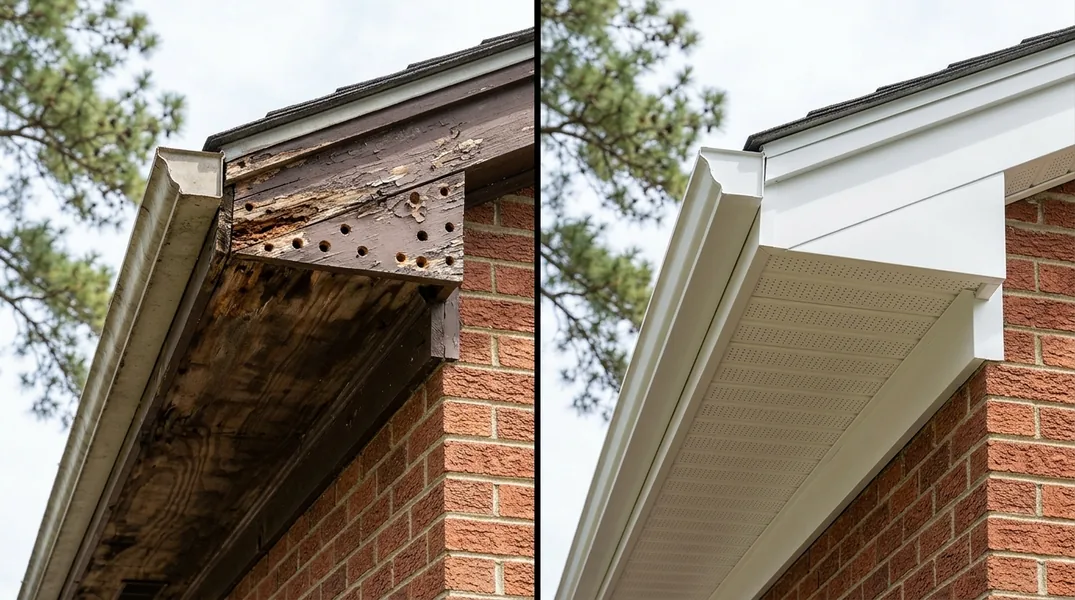
The Charm and Challenge of Hilton Village Homes
Hilton Village is one of Newport News' most distinctive neighborhoods. Built in the 1920s as a planned community for shipyard workers, these cottages have aged into beloved landmarks, each with original character that modern construction simply cannot replicate. If you own one of these homes, you already know the appeal: arched doorways, built-in shelving, hardwood floors, and exteriors that tell a story of nearly a century of Newport News history.
But here's the honest truth that every Hilton Village homeowner eventually faces: age and charm come with a price. The same wood siding, structural framing, and foundation systems that give these cottages their character are also vulnerable to decay, moisture infiltration, and pest damage. Unlike newer homes built with modern materials and construction codes, Hilton Village cottages require a proactive, informed approach to maintenance. Understanding what to look for and when to act can mean the difference between preserving your home's integrity and facing costly structural repairs down the line.
Understanding Wood Rot in Historic Homes
Wood rot is perhaps the most common threat to Hilton Village cottages. These homes were built with solid wood framing, wooden siding, and wooden trim throughout. Over decades, exposure to moisture, temperature fluctuations, and seasonal humidity creates the perfect environment for fungal growth that breaks down wood fiber. Unlike newer homes where wood is treated with preservatives, the original timbers in historic cottages often lack modern protection.
Wood Rot & Dry Rot Repair is not a cosmetic issue. Rot compromises the structural integrity of your home. It can weaken floor joists, compromise wall framing, and even affect load-bearing elements that keep your roof secure. The challenge is that rot often hides. It starts in areas you cannot easily see: behind siding, under eaves, inside wall cavities, and beneath siding trim. By the time you notice soft spots or visible damage, the decay may have progressed significantly.
The key to managing wood rot in a historic cottage is regular inspection and early intervention. Check your exterior wood annually, especially after heavy rain or during humid months. Look for soft spots, discoloration, peeling paint, or areas where wood feels spongy when pressed. Pay special attention to areas where water tends to collect: around window frames, where siding meets the foundation, and along roof edges. If you spot potential rot, do not wait. The cost of early Wood Rot & Dry Rot Repair is far less than replacing entire sections of framing later.
Wood Siding Repair: Protecting Your Cottage's Exterior
The distinctive wood siding on Hilton Village cottages is one of their most recognizable features. Unfortunately, it is also one of the most exposed elements to weather damage. Original siding may be cypress, heart pine, or other period-appropriate woods that were chosen for durability, but even the best wood deteriorates without proper maintenance. Paint failure, moisture penetration, and wood decay are common issues that require attention before they spread to the framing underneath.
Wood siding repair in historic homes is not always straightforward. You cannot simply replace a damaged board with whatever is available at a home improvement store. Matching the profile, thickness, and wood species of original siding is important for both aesthetic and functional reasons. Mismatched repairs can look out of place and may not perform the same way under weather exposure. This is where working with professionals who understand historic home restoration becomes valuable. They know how to source appropriate materials and execute repairs that preserve your home's character while ensuring long-term protection.
Beyond repair, prevention is critical. Keep your siding painted or sealed with a quality exterior finish. Inspect caulking around windows, doors, and trim annually, and recaulk as needed. Ensure gutters and downspouts are clean and functioning properly so water does not pool against your siding. These simple steps can add decades to the life of your wood exterior and help you avoid more extensive repairs later.
Old House Maintenance: A Year-Round Checklist
Maintaining a Hilton Village cottage is not a one-time project. It is an ongoing commitment that changes with the seasons. Spring is the time to inspect your roof, gutters, and exterior wood after winter weather. Look for damage from ice dams, wind, or freeze-thaw cycles. Summer is ideal for addressing any repairs you identified in spring, as weather is more stable and contractors are more available. Fall requires clearing gutters, trimming tree branches away from your roof, and preparing your home for winter moisture and temperature changes. Winter is when you monitor for ice dams, water intrusion, and indoor moisture issues that can accelerate wood decay.
Beyond seasonal tasks, develop a long-term maintenance plan. Document the condition of major systems: roof, foundation, siding, interior wood floors, and structural elements. Take photographs and notes. This record helps you track changes over time and informs decisions about repairs and restoration. If you are planning a major renovation or restoration, consider having a professional home inspection focused on structural integrity and hidden damage. This is especially important if you have never had work done on your cottage or if you purchased it recently.
Interior maintenance matters too. Hilton Village cottages often have beautiful original wood floors and trim. Protect them from moisture by maintaining consistent indoor humidity levels (ideally 35-50 percent), using exhaust fans in kitchens and bathrooms, and addressing any signs of water intrusion immediately. Hardwood floors are sensitive to moisture fluctuations, which can cause cupping, warping, or separation. Floor Joist & Subfloor Repair may be necessary if you notice soft spots, squeaking, or visible damage to your flooring system.
When to Call a Professional for Historic Home Repair
Not every maintenance task requires a professional, but knowing when to call one is crucial for protecting your investment. If you notice signs of structural damage, significant wood rot, pest damage, or moisture intrusion that extends beyond a small area, it is time to contact someone with experience in historic home repair. Attempting to address these issues yourself can lead to incomplete repairs that allow problems to continue spreading unseen.
Professionals bring expertise that is hard to replicate. They understand how old homes are constructed, how moisture moves through walls and foundations, and how repairs should be executed to maintain structural integrity and historical authenticity. They also have access to materials and techniques that match your home's original construction. When you contact a contractor, ask about their experience with historic homes, request references from other Hilton Village homeowners if possible, and get a detailed written estimate before work begins.
If you are in Newport News and concerned about wood rot, structural issues, or siding damage, Newport News Carpentry specializes in historic home repair and restoration. Call (757) 392-0070 to discuss your concerns and get a free estimate for any work your cottage may need.
Budgeting for Historic Home Maintenance and Repair
One question every Hilton Village homeowner asks is how much maintenance and repair will cost. The answer depends on the scope of work, the materials needed, and how long problems have been developing. Small repairs, like replacing a section of damaged siding or fixing localized wood rot, might cost a few hundred to a couple thousand dollars. More extensive work, like Floor Joist & Subfloor Repair or addressing widespread rot in structural framing, can run significantly higher.
The best approach is to budget for regular maintenance and inspections rather than waiting for emergencies. A few hundred dollars spent annually on preventive care prevents thousands in emergency repairs. Set aside a maintenance fund each year. For most homeowners, budgeting 1 to 2 percent of your home's value annually for maintenance and repairs is reasonable, though historic homes may require a bit more due to their age and unique needs. If you are uncertain about the pricing for specific repairs, get estimates from multiple contractors. This gives you a realistic sense of costs and helps you plan your budget effectively.
Remember that delaying necessary repairs almost always increases costs. A small area of wood rot that costs $500 to repair today might require $5,000 in structural repairs if left untreated for a few years. Investing in timely maintenance is not an expense; it is protection of your most valuable asset.
Looking for a professional carpentry contractor in Newport News? Newport News Carpentry responds fast for all your carpentry needs.
Get a Free QuoteOur services: Wood Rot & Dry Rot Repair · Termite Damage Repair · Floor Joist & Subfloor Repair